Tuesday, 9 July 2019

Disneyland Fight Brawl Very Violent Best Angle - 7th July 2019


It's disturbing that security took so long to show up especially with all the children witnessing this.


Visit Veticare for the best pet insurance in South Africa.

Monday, 8 July 2019

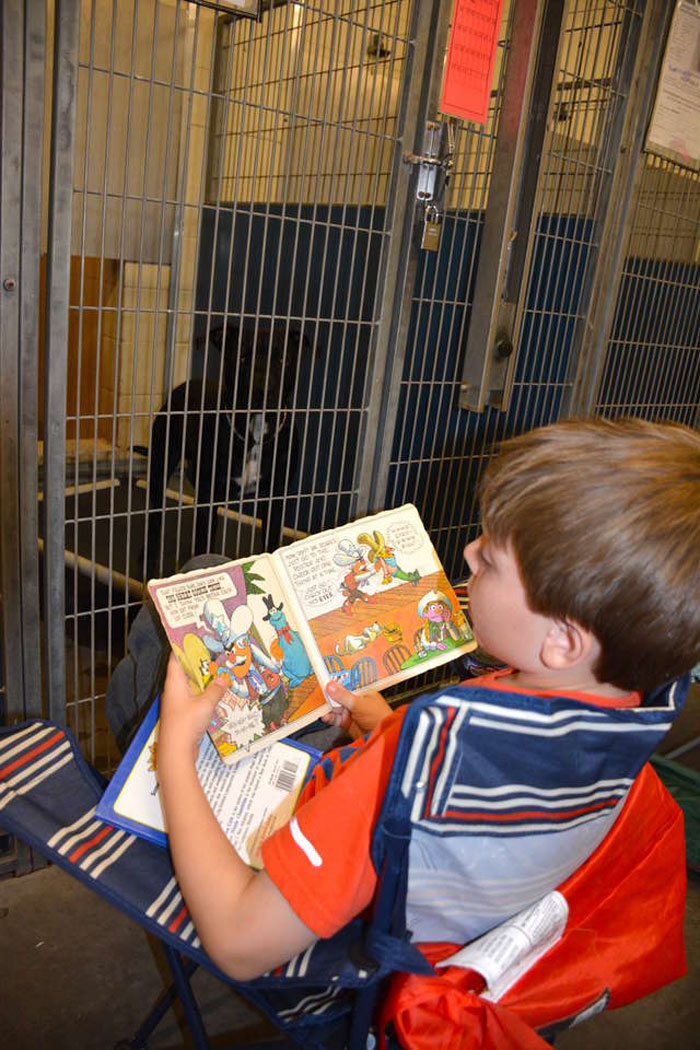
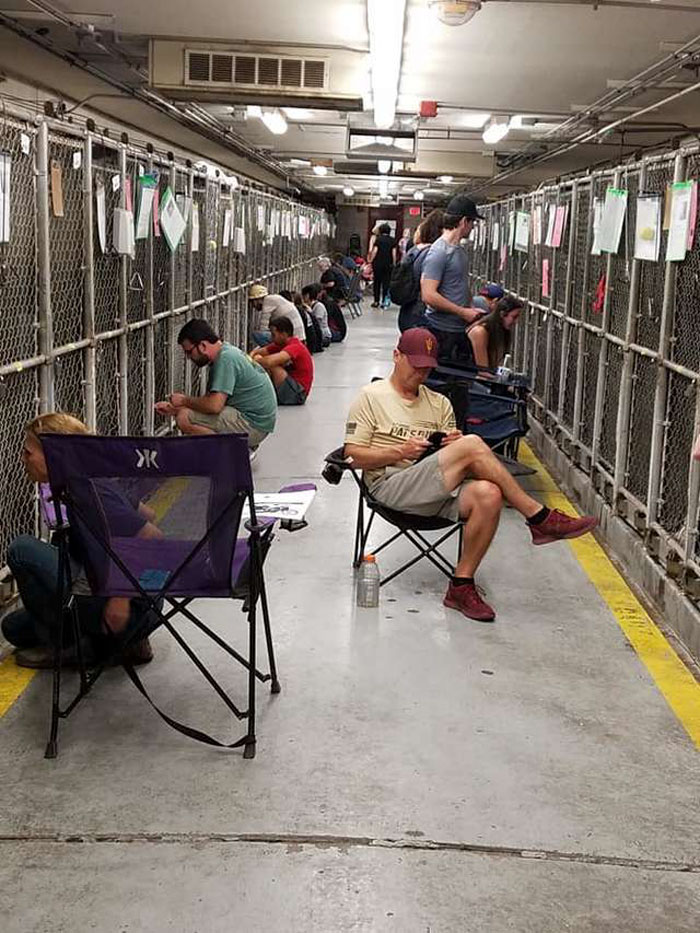
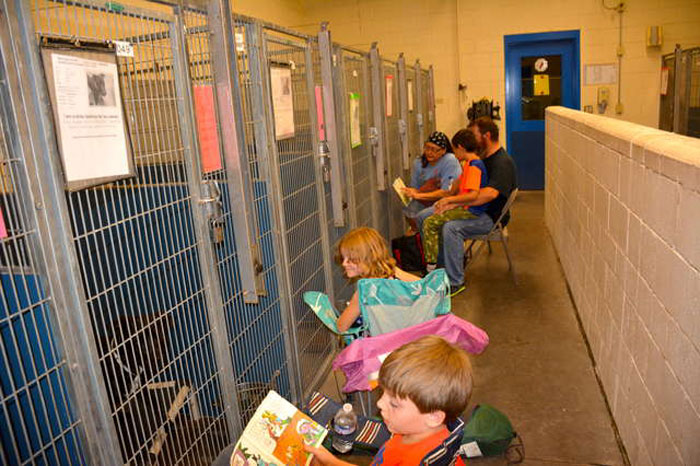
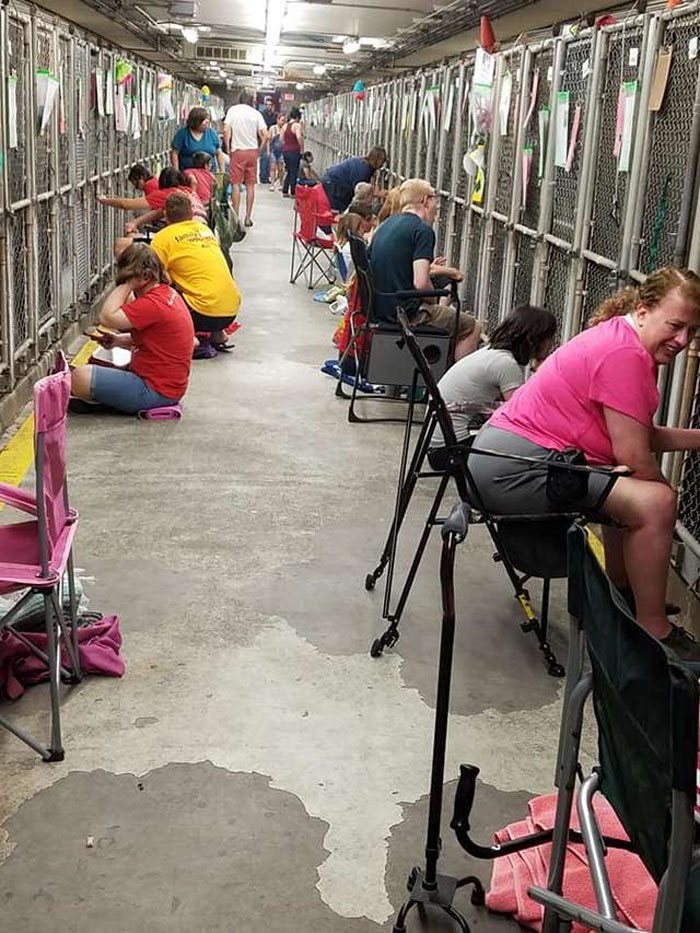
People Are Skipping 4th Of July Fireworks To Comfort Scared Shelter Dogs

Just like New Year’s, July 4 isn’t exactly a holiday for most pups. In fact, fireworks and other loud noises can even make it a nightmare. And, while our family furballs have the commodity of hiding under the bed, shelter dogs aren’t so lucky. However, one shelter came up with a brilliant idea to help these homeless pups relax through the blasting holiday.
“When they have these noise phobias, it’s horrible,” noted veterinarian Marty Becker said. “A lot of times these dogs will self-mutilate. I’ve had dogs come in that have run through a plate-glass window. They think they’re going to die, and when you think you’re going to die, you do crazy things.”
Image credits: Wesley Nitsckie
“Calming the Canines,” at Maricopa County Animal Care and Control (MCACC), is a new Independence Day tradition — and it’s proving that nothing is as patriotic as kindness
Image credits: maricopa
Last year, over 300 local community members showed up at the shelter’s two locations around Phoenix, Arizona to comfort the scared dogs.
“It was overwhelming to see how the community responded,” Ben Swan, the shelter’s development director, said in a press release. “It really helped spread our message that MCACC is here to help.”
Image credits: maricopa
Amy Engel, who is in charge of the AZ Dawg Saverz Facebook page and attended Calming the Canines last year, said that she definitely plans on attending this year as well.
“Some people sang to them, some people read to them, some people just sat there and gave treats!” Engel wrote. “It was so, so awesome because the dogs absolutely love the attention and were focused on the people and not the fireworks going on outside.”
Image credits: maricopa
And it wasn’t just a one-time thing. After the event, people have developed a lasting bond with the dogs that they looked over.
“Many participants developed lasting relationships with the shelter, returning to provide foster care, adopt a pet or volunteer,” the MCACC wrote.
This year, shelter staff hope that the kindness will spread even wider, and even more meaningful connections will be made.


Tuesday, 2 July 2019

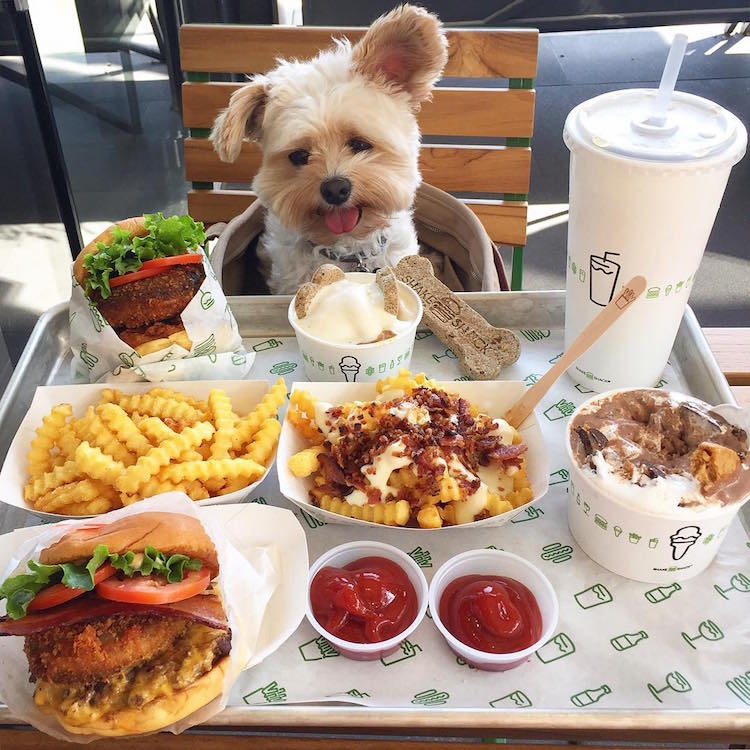
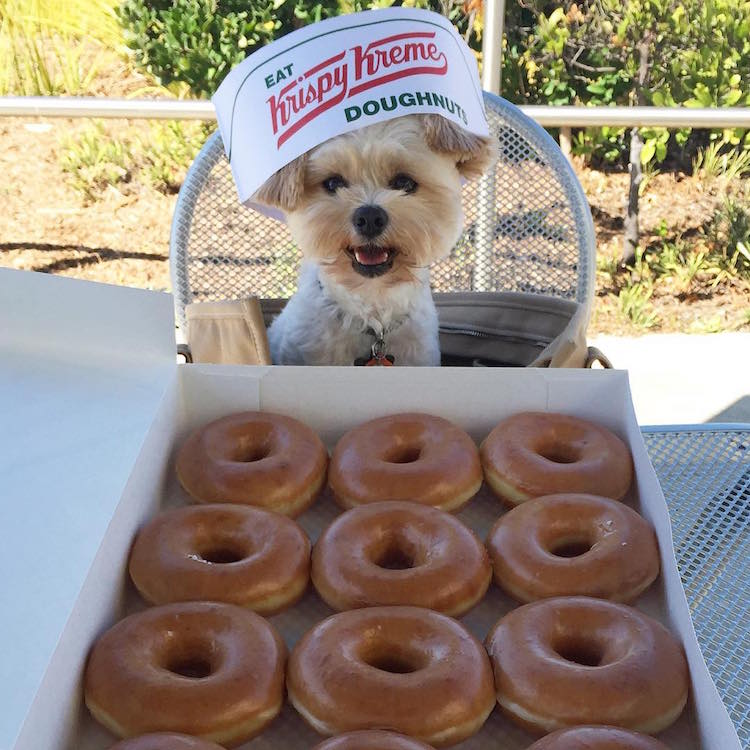
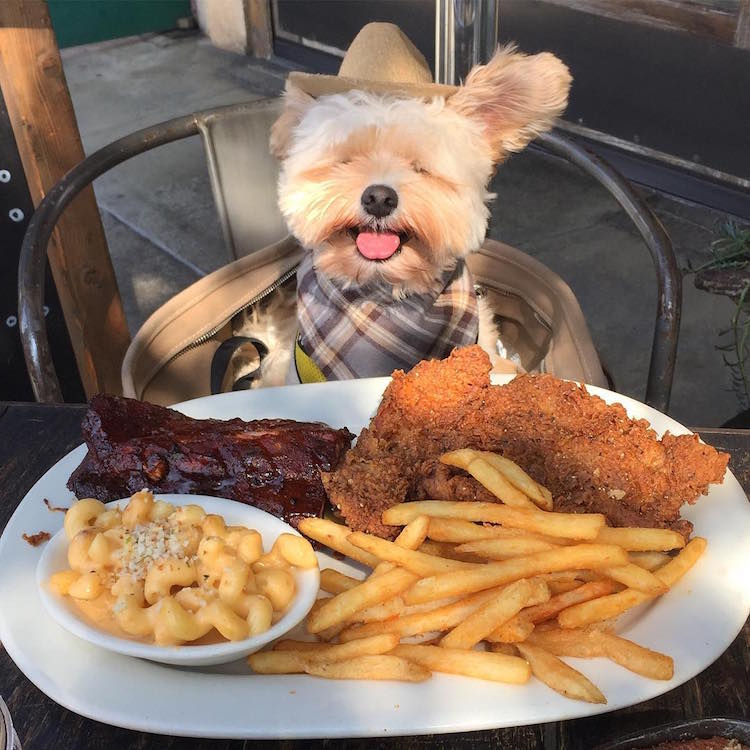
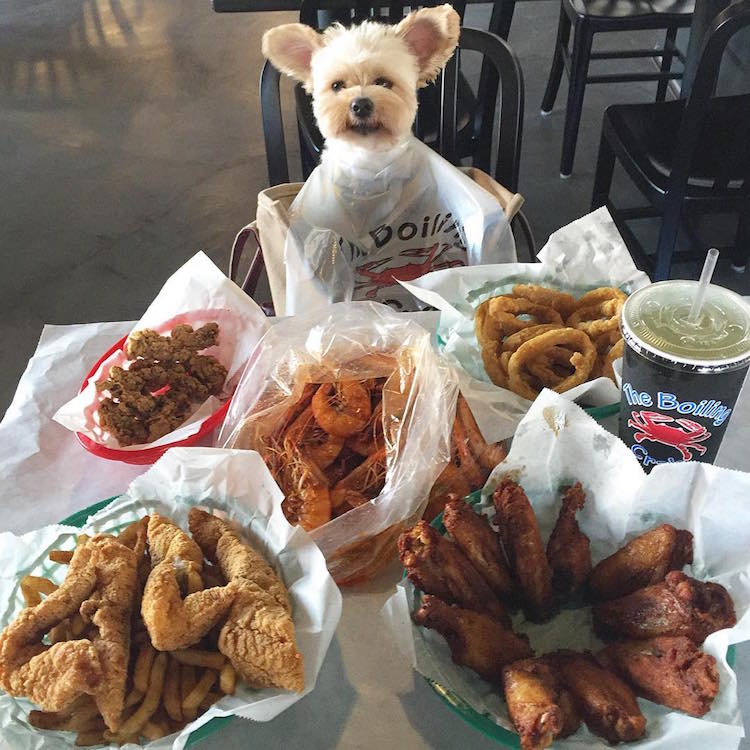
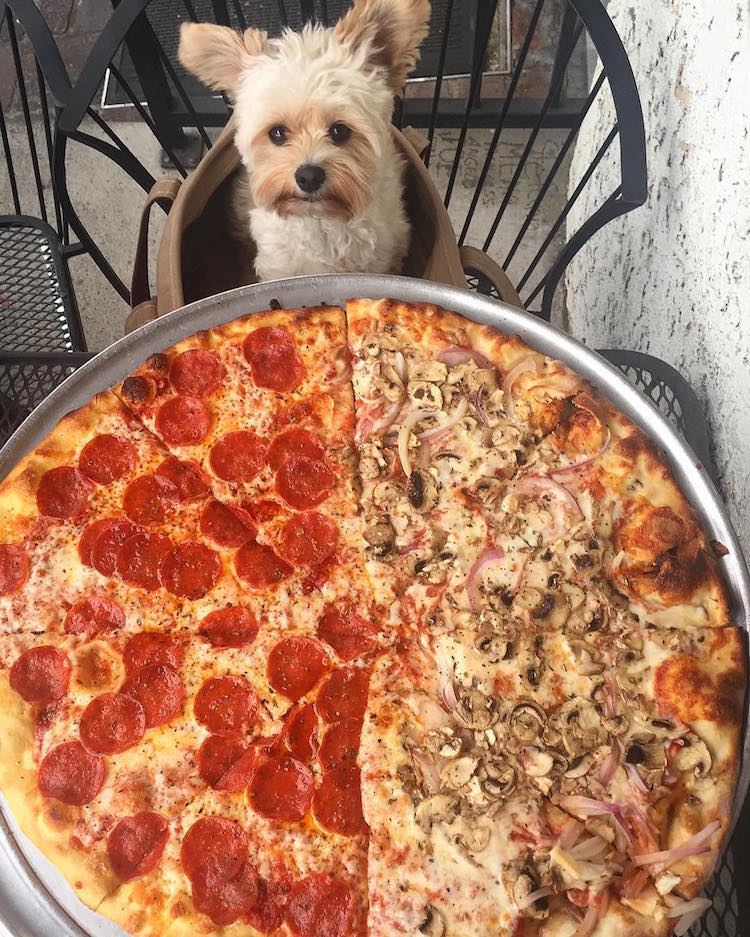
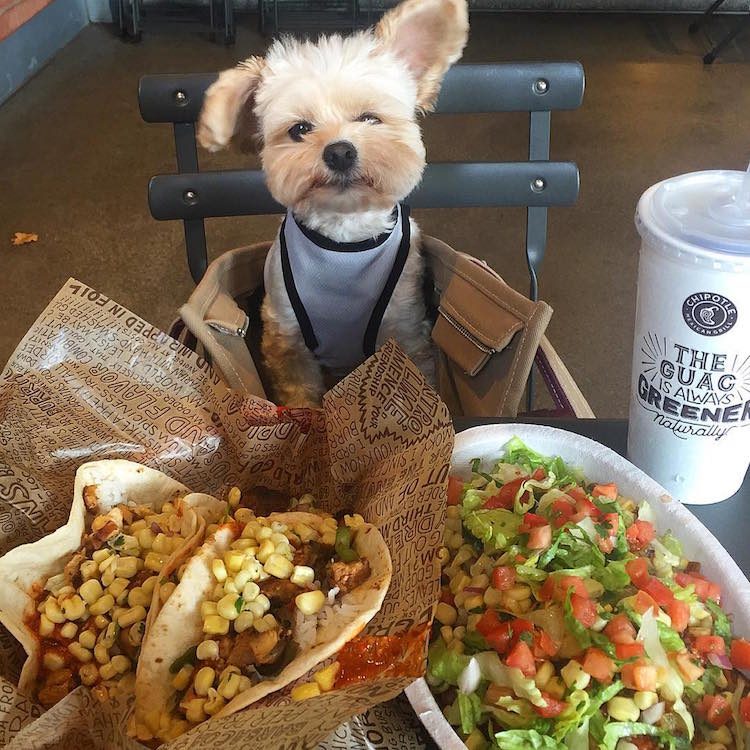
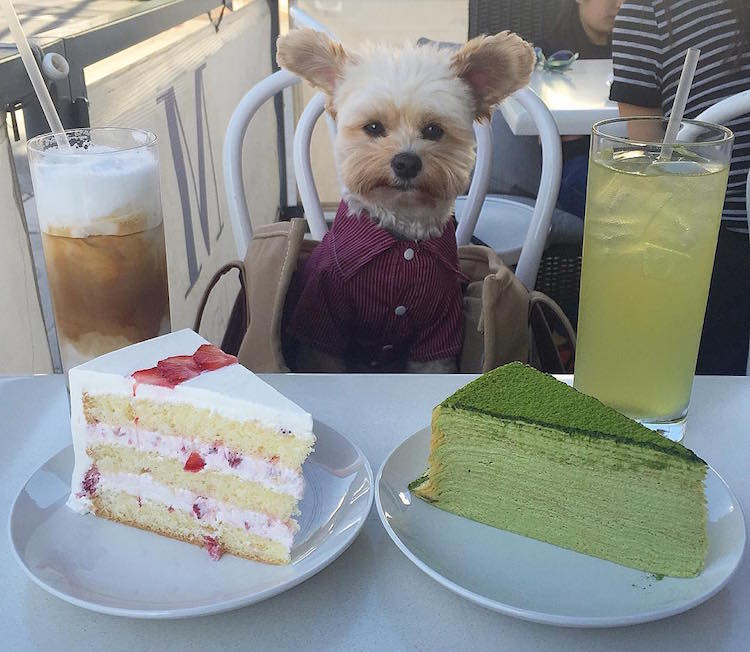
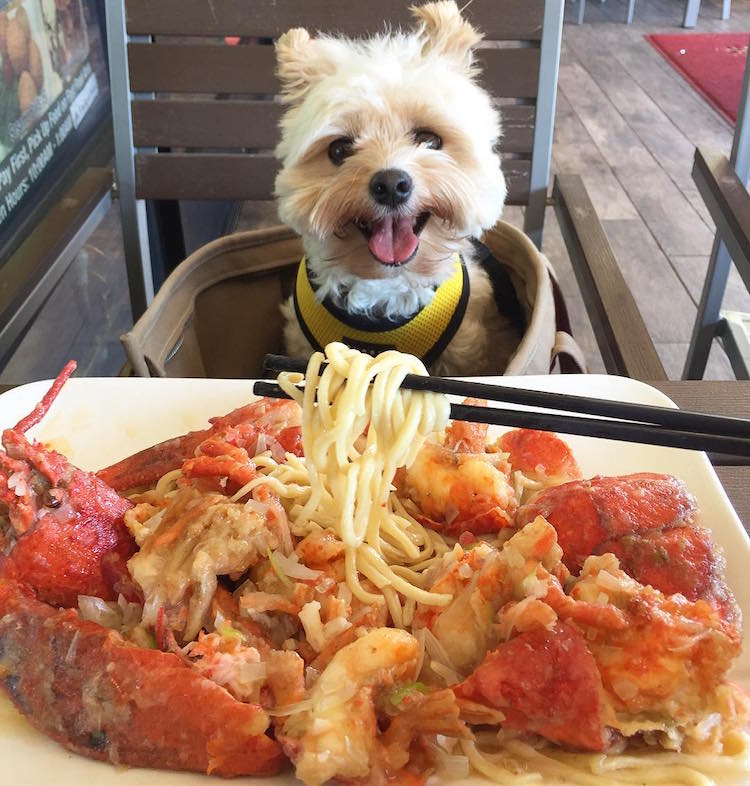
Starving Stray Dog Is Rescued and Taken to Pet-Friendly Restaurants


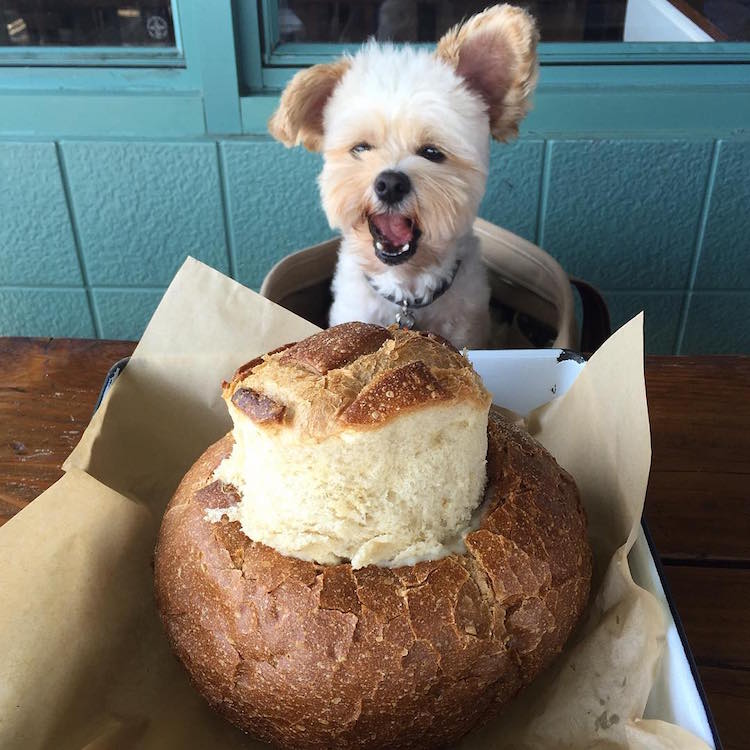
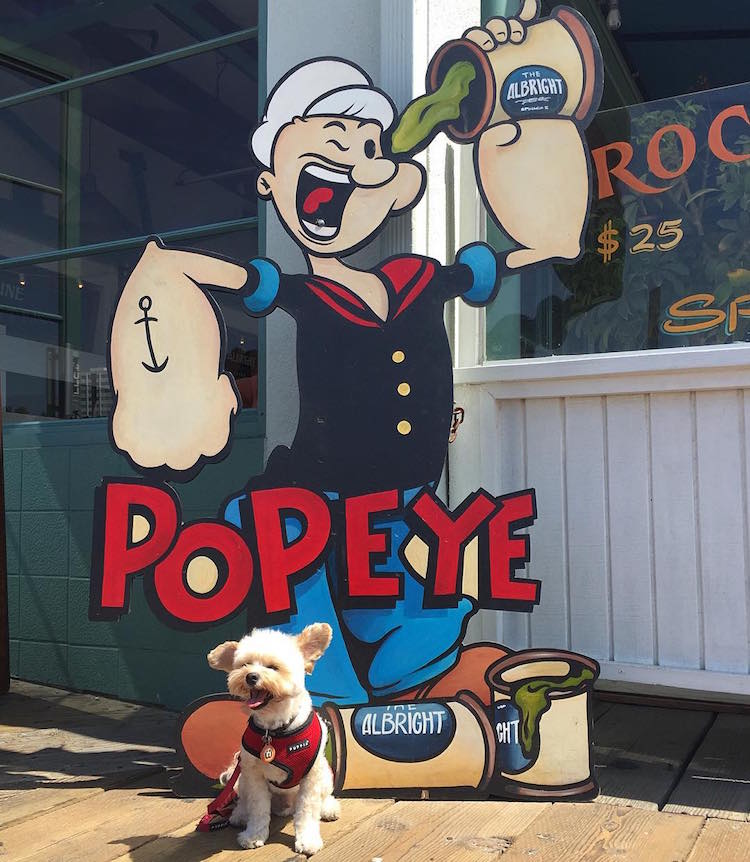
pet friendly restaurants for popeye the stray dog
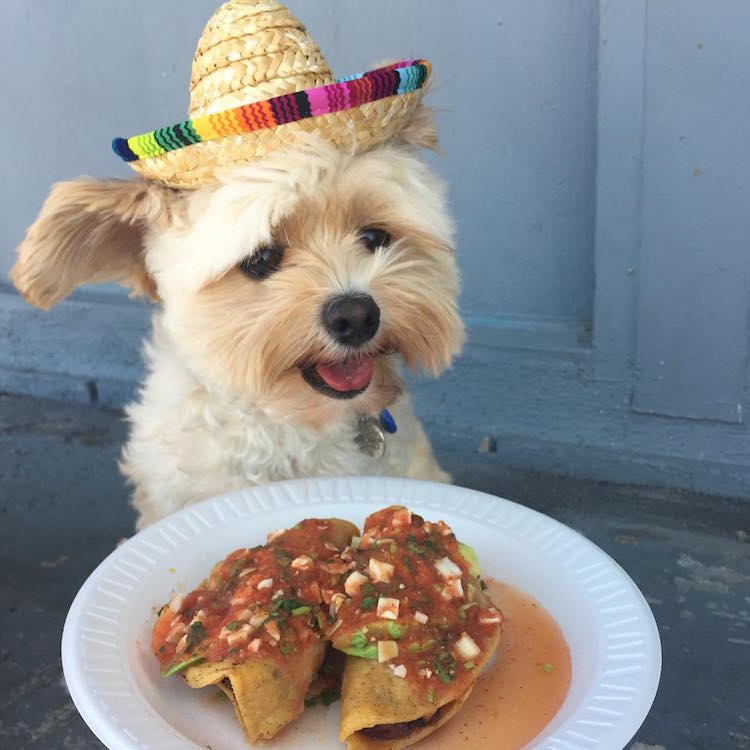
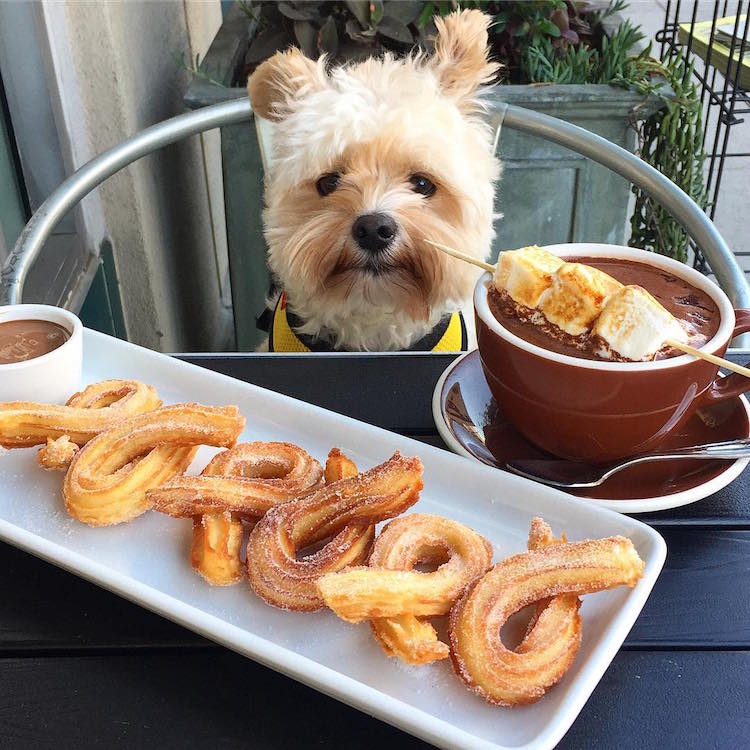
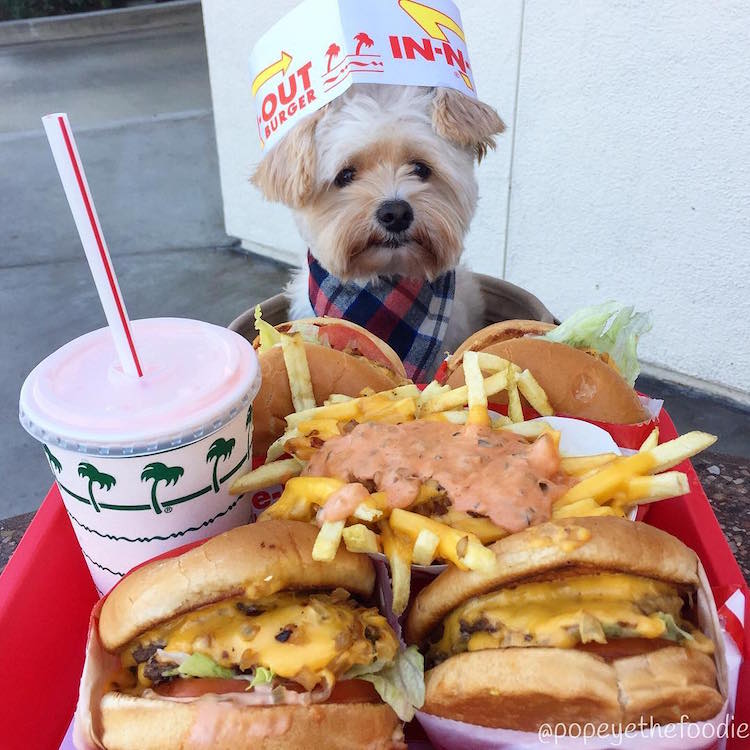
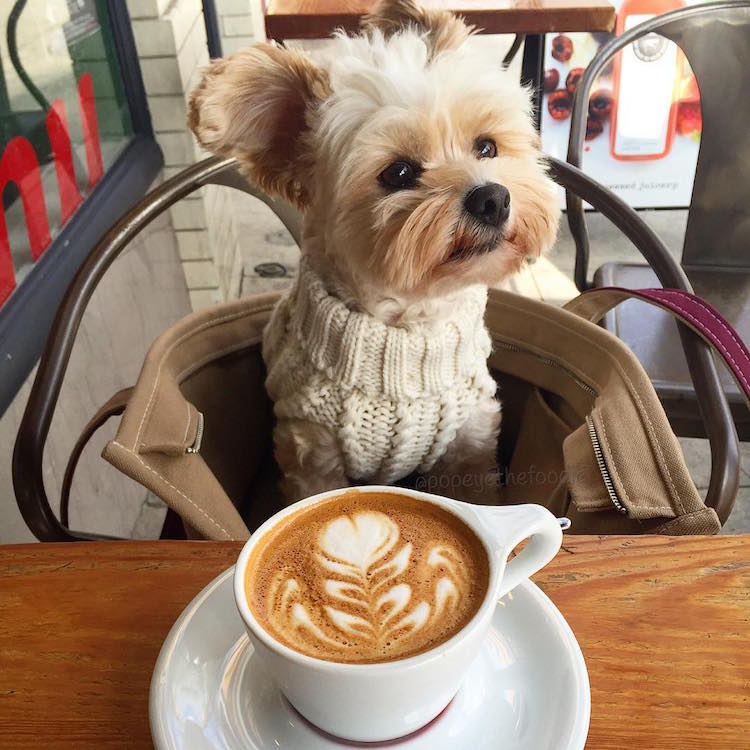
While most dogs happily chomp on crunchy kibble and typical canine treats, Popeye—a starving stray turned furry foodie—drools over LA’s trendiest chow.
Ivy Diep found the homeless pup wandering the streets in January 2014. Matted, skinny, and alone, Diep decided to take Popeye home with her, where he instantly hit it off with her husband and other canine companions.
One day, she allowed the now 3-4-year-old pooch to tag along on one of her “Instagram dates”—outings in which she and a friend try new restaurants and document their meals on the social media site—and realized that Popeye makes a surprisingly polite dinner date. “I would bring Popeye to any of the pet-friendly places, and we realized how good he was around food,” she told ABC News. “He would sit still for photos.”
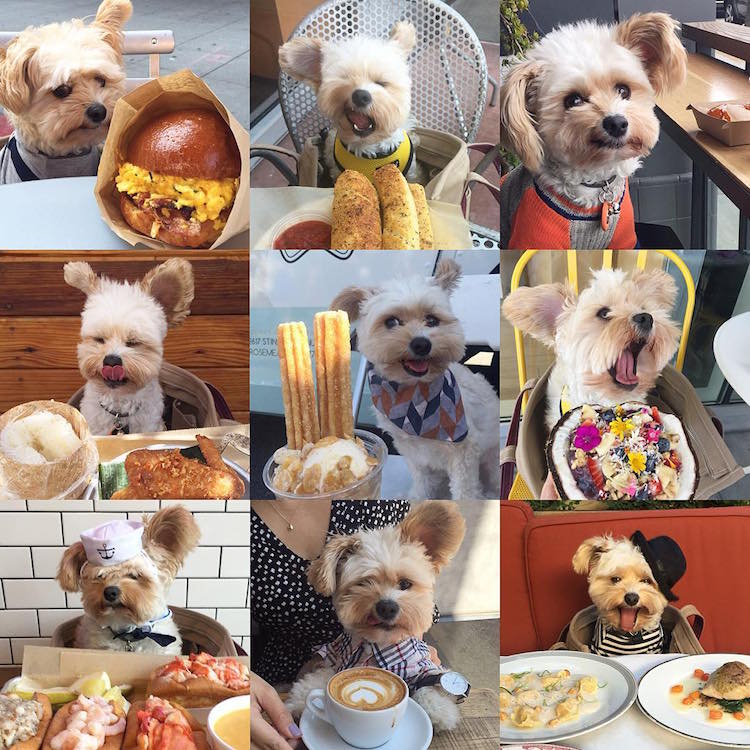
Popeye then began making regular appearances in Diep’s restaurant snapshots, prompting her to create Popeye the Foodie Dog, an Instagram account dedicated to his culinary adventures. The page features photographs of Popeye—often clad in adorable themed costumes—patiently posing with plates of food, from steak and sushi to fast food and donuts. While he may look like he’s about to sink his teeth into each delicious meal, Diep confesses that is not quite the case: “We’ll give him nibbles of anything that’s safe for him,” she explains. “We always carry a bag of his favorite treats as well. He’s usually not really into the food anyway. He just likes to be out and about—people watching and to bark at any other dog that walks by.”
Be sure to follow Popeye’s adorable dog-blogging adventures on his Instagram—a perfect place for food connoisseurs and dog lovers alike! 
If you would like to find out more about pet insurance in South Africa please visit Veticare

Stray dog Popeye loves eating at pet friendly restaurants all over LA. Check out his adventures.

pet friendly restaurants for popeye the stray dogpet friendly restaurants for popeye the stray dogpet friendly restaurants for popeye the stray dogpet friendly restaurants for popeye the stray dogpet friendly restaurants for popeye the stray dogpet friendly restaurants for popeye the stray dogpet friendly restaurants for popeye the stray dogpet friendly restaurants for popeye the stray dogpet friendly restaurants for popeye the stray dogpet friendly restaurants for popeye the stray dogpet friendly restaurants for popeye the stray dogpet friendly restaurants for popeye the stray dogpet friendly restaurants for popeye the stray dogpet friendly restaurants for popeye the stray dogpet friendly restaurants for popeye the stray dogpet friendly restaurants for popeye the stray dogpet friendly restaurants for popeye the stray dogpet friendly restaurants for popeye the stray dogIf you would like to find out more about pet insurance in South Africa please visit Veticare

Motorist clocks 322km/h on Johannesburg highway


A motorist who clocked more than 300km/h on a Johannesburg highway will face the "full might of the law" should he be traced, Ekurhuleni metro police department (EMPD) said on Monday.
The video of the motorist clocking 322km/h on the R21 outside Kempton Park went viral on social media on Sunday.

It was shared by anti-crime activist Yusuf Abramjee. It was still unclear when the video was taken, but the time on the car's screen shows it was just after 4pm.
Abramjee wrote in the tweet: "Video as received: R21 JHB. This madness must be stopped!"
In the video, the car, believed to be a Nissan GTR, picks up speed from 175km/h and, within seconds, does more than 240km/h while driving towards OR Tambo International Airport.
In the video, the car, believed to be a Nissan GTR, picks up speed from 175km/h and within seconds does more than 240km/h while driving towards OR Tambo International Airport.
In the video, the car, believed to be a Nissan GTR, picks up speed from 175km/h and within seconds does more than 240km/h while driving towards OR Tambo International Airport. 
Image: Screengrab of video
A few seconds later, a seemingly speeding bike approaches the screen.
"Let him go [biker] and then you fetch him," a man in the passenger seat tells the driver of the car.
While passing Emperors Palace, the biker puts his head down and accelerates past the car.
The motorist chases the biker and passes him, while clocking 301km/h.
He clocks 322km/h, before slowing down.
A man, who is heard laughing, says: "This thing cleans up. F****n white powder pappa. Hell, this thing is quick.
"You just need to scheme your breaks," the man tells the driver, before the video ends.
EMPD spokesperson Chief Superintendant Wilfred Kgasago said: "We can't condone such behaviour. There is going to be an horrific accident," adding that the department had a high-speed unit to deal with speedsters.
He said when a driver who clocks more than 200km/h is arrested, metro police recommend to the SAPS that the motorist is not granted bail until the court appearance.
"We don't tolerate this. Even 200km/h is a bit hectic. How do you do 300km/h?"

Do you require pet insurance ? check out Veticare for more information.

Monday, 1 July 2019

Ban the Use of Circus Animals in South Africa


The Harsh Reality of Animals in Circuses


The circus works hard to keep their animal abuse hidden from your eyes. Circus employees are told to be on their best behavior so you won’t see them abusing animals. The worst abuse to circus animals happens during training, during transport and when you’re not watching. Here’s what you won’t see. At Ringling’s private, training center, employees tear nursing baby elephants away from their mothers using ropes, chains, electric prods, and bullhooks – heavy steel devices resembling fireplace pokers with a sharp steel hook at one end. Photos taken at Ringling’s breeding facility show baby elephants younger than a year old bound with ropes around all four legs as well as the back, neck, and trunk. These baby elephants are forced to the ground, and aggressively pushed and pulled into unnatural and physically painful positions until they learn to perform meaningless “tricks.” Animals used in circuses spend most of their lives in small cages and boxcars. Many of them are forced to train under threat of punishment from painful devices like whips and electric prods. When animals are unable to perform then they are sold to other circuses or they may end up on hunting ranches. Forcing elephants into a life in the circus can be deadly for them. A lifetime in chains leads to foot infections and arthritis, the leading cause of euthanasia for elephants in captivity.

“The bullhook is designed for one purpose and one purpose only: to inflict pain and punishment. I should know. I used to make them.” - Sam Haddock, retired Ringling trainer


Mr. Haddock worked for Ringling for 30 years and was an elephant trainer for 8 years at their breeding and training facility in Florida. At his late wife’s urging, and before passing away himself, he came forward with dozens of disturbing images and a statement detailing how baby elephants are bound with ropes to break their spirits.
Most people have never really thought about what happens behind the scenes at the circus, or how much of the animals’ lives are spent traveling in cages or chains. Ringling perpetuates this ignorance by portraying its performing animals as happy in its advertisements and marketing materials. We think that if more people were aware of how sad the lives of circus animals are, fewer people would want to attend the circus. More people would want to make their cities circus-free zones, as 46 cities in 21 states have done. In fact, at least 20 countries around the world have banned wild animals in circuses. Austin prides itself on being a progressive, animal friendly city — an image that’s at odds with hosting wild animal circuses. We think it’s time for our town to say ‘no’ to shows with a documented history of animal abuse.

What can you do?

· Never attend a circus with animals.
· Educate yourself and your friends, here are few sites to start with: Articles

Animal Rights and Welfare Sites
· Write Letters to the editors of the Austin Chronicle and Austin American-Statesmen.

Visit Veticare insurance information, click here - Veticare 

Why you should consider pet insurance.

Why you should I get pet insurance ?


Visit www.veticare.co.za

Top 10 ways to keep your pets warm this winter!

10 Ways to Keep Your Pet Warm this Winter


Brr! It’s cold out there! If you’re outside for any time at all, you probably can’t wait to get home to put on flannel jammies and sip hot chocolate. But what about your dog? What’s keeping the cockles of his heart warm?
Certain dogs are more affected by the cold than others, particularly older pets and/or those with certain ailments, like arthritis. Here are 10 ways to keep your dog warm this winter.
  • Buy the right breed for the climate. You can start off by picking a breed made for bitter winters, especially if you live in colder climates and expect to be outside with a dog for a significant amount of time. Dogs good for cold climates include Alaskan malamutes, Siberian huskies and chow chows. For a complete list, see the story Top Breeds for Cold Climates. Long-haired cats also handle the cold better, though all cats are better off indoors.
  • Keep them indoors. This is the surest way to keep your pet warm. Dogs, while they enjoy outings, are often happier indoors as well so they can dote on their owners.
  • Get them jackets and sweaters. If your home is a little chilly, cute jackets and sweaters can keep them warm. If they are going outside with you into the snow (dogs more than cats), it’s better to choose something that has a waterproof nylon covering.
  • Booties. Your dog regulates his temperature through the soles of his feet (as well as his tongue, of course). When walking in the snow, booties can help keep him warm. This will also protect him from salt and other products used to melt ice. For more information on paw care, see the story Winter Skin and Paw Care.
  • Check the temperature before going out. In winter, as in summer, the temperature can feel worse than what the thermometer reads. Check the temperature and the wind chill factor to keep your dog from getting a chill.
  • Proper outdoor housing. If your dog spends a lot of his time outdoors, make sure he has the right housing. His doghouse should have a sloped roof, insulation and even a heater if he is expected to live in there. For more information on the proper doghouse, see the story How to Select or Build a Doghouse.
  • Bedding. His bed should be at least 3 inches off the cold floor to avoid drafts. Low platforms made of a light wood or aluminum frame with canvas stretched over it suit these pets just fine.
  • Provide more food. Dogs use up more calories in the winter trying to stay warm. Feed him a little more in the winter months, especially if he spends a lot of time outside.
  • Use a hot water bottle or snuggle disk. If your home is chilly, you can keep your pet warm by using a hot water bottle under his bed or even a snuggle disk, which is a manufactured disk that is heated in a microwave oven and can maintain heat for hours.
  • Don’t forget the occasional special treat and the belly rub. Nothing warms your dog’s heart more than special food and attention, so give him both. For special recipes, see the story Homemade Treats. The belly rub you can manage yourself.
  • Friday, 28 June 2019